Why Islamic Education ---- By educating children, youth, adults, and professionals in Islamic values, we nurture morally strong, socially responsible individuals who uplift families, strengthen communities, and contribute positively to the nation.

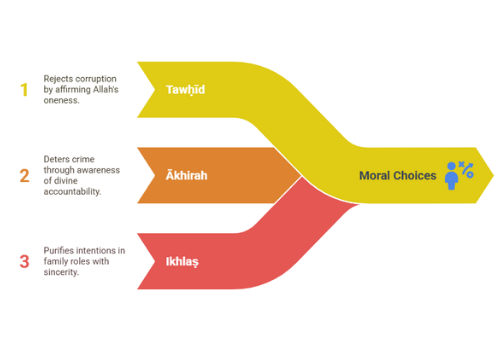
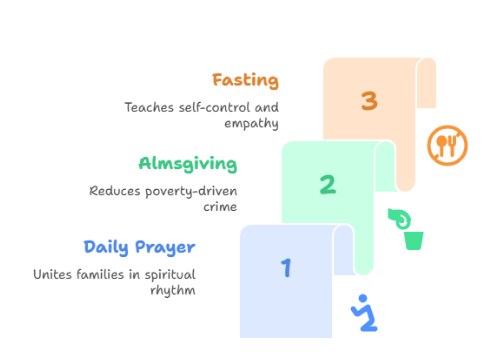
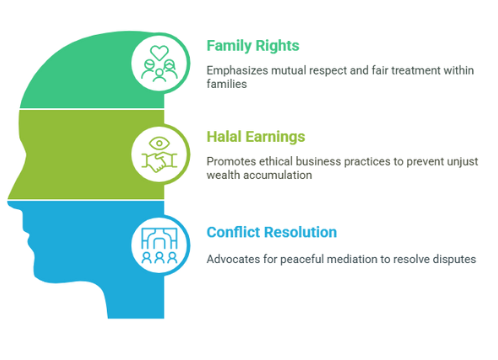
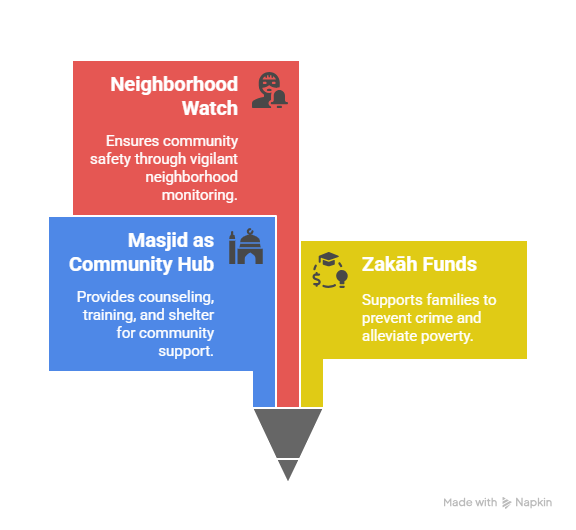
Crime and social dysfunction often stem from broken families, domestic conflicts, financial stress, and moral decay—not just individual choices. Islamic ethics (Akhlaq)—structured through Īmānīyāt, ʿIbādāt, Muʿāmalāt, and Mushārakāt—provides a holistic solution to rebuild households and societies. Here’s how:
Guided by the Four Pillars: Īmānīyāt (Faith), ʿIbādāt (Worship), Muʿāmalāt (Transactions), Mushārakāt (Community)"

Al-Faid’s initiative provides structured Islamic education to all sections of society, with special focus on the underprivileged. Separate batches for men, women, and children are led by qualified Aleems and Muallimas. Regular classes and guest lectures nurture love for Allah ﷻ, personal development, and a strong sense of responsibility towards family, society, and the nation.
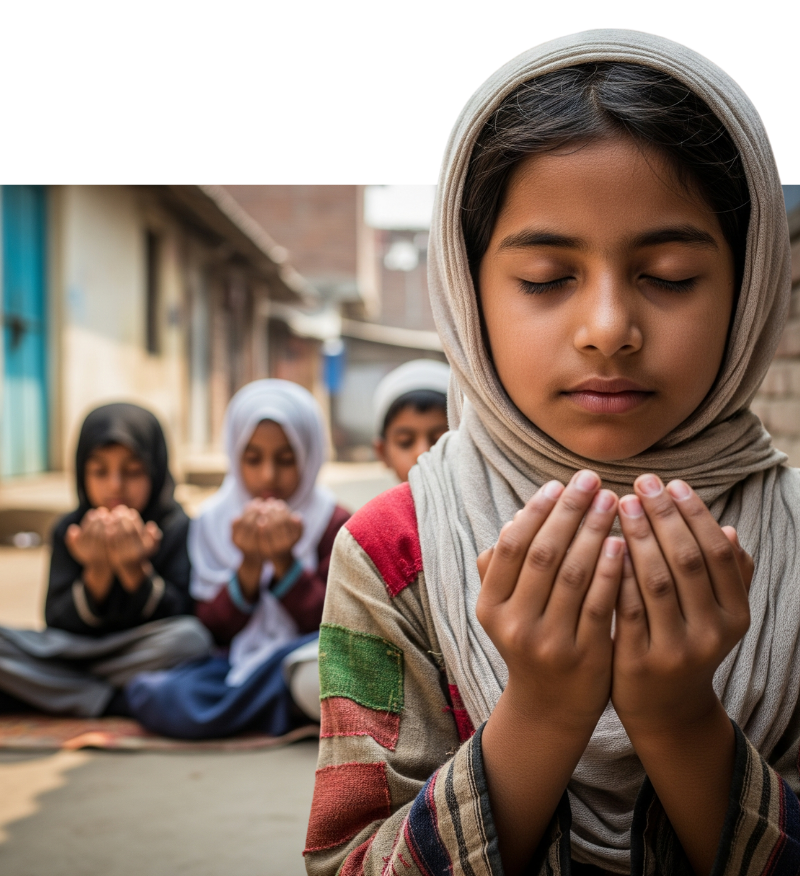

Al-Faid’s Madrasa at Belahalli Cross, established in 2018, supports underprivileged families from North India who sustain themselves by crafting small dhols. The initiative has benefited over 400 individuals—including youth, men, and women. With 80 students currently enrolled and four set to complete their Hifz next year, it fosters faith, dignity, harmony, and social responsibility through Quranic learning and Islamic values.
The program aims to nurture morally upright individuals committed to their faith,
community well-being, and the progress of the nation.
 Curriculum Details
The syllabus blends religious learning with practical daily application, covering Naaziraye Quran with Tajweed, Masnoon Duas, and Namaaz ki Mashaqq (practical Salah sessions). It emphasizes cleanliness, daily Sunnah practice, and monthly lectures on key Islamic values like Eemaniyat (faith), Akhlaqiyat (ethics), and Mu’amalat (social dealings).
 Key Highlights
The key highlights reflect a structured approach—separate batches for children, brothers, and sisters were led by qualified Aleems, ensuring appropriate learning environments. Regular attendance and consistent classes across Maqtabs promoted discipline, focused education, and sustained engagement within the community.
 Salient Features
The salient features highlight the program’s holistic impact—promoting Islamic culture, enhancing human potential, reducing family disputes, fostering social harmony, and encouraging ethical behavior. It aims to deliver not just religious education but meaningful character development and community transformation through faith-based values and guidance.
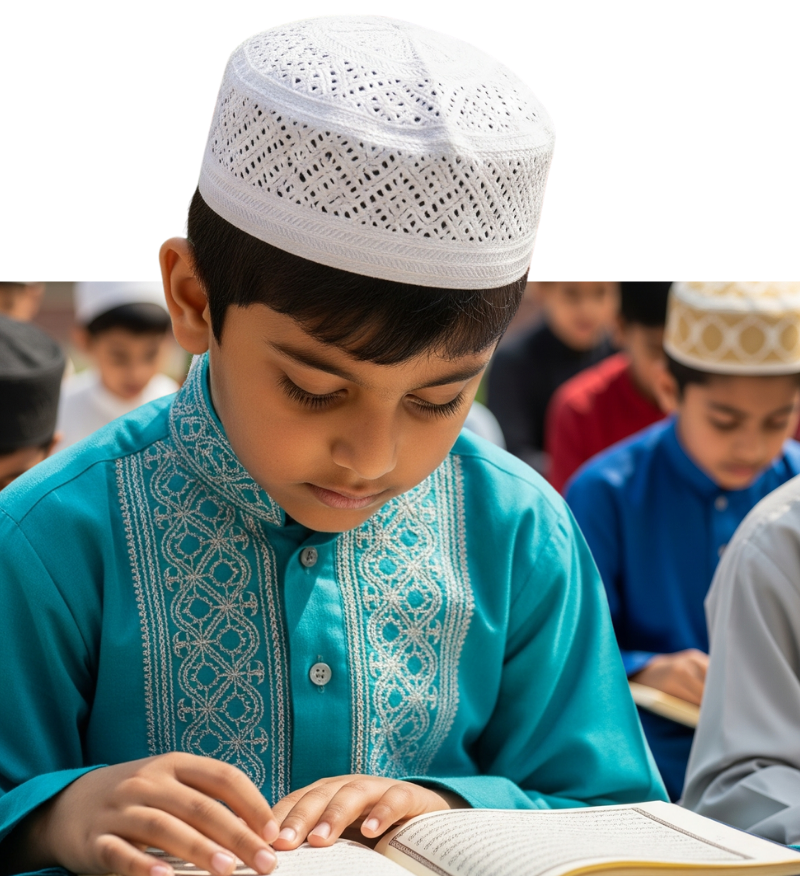
Al-Faid’s initiative is committed to promoting Islamic education among the lower middle segment of society, particularly school and college students, servicemen, and middle-class professionals. Recognizing the need for accessible religious learning, a locality behind the Police Quarters and near Sabrinagar Layout in Hegde Nagar, Bangalore, was selected for implementation.
Maqtabs were established within local masjids to provide structured education in Qur’an recitation and Deeniyat for both children and adults. Separate classes for college-going girls were arranged near the masjid.
To date, the initiative has positively impacted over 500 students and 20 elders, fostering faith, ethics, and social responsibility in the community.
Curriculum Details
The curriculum included Naaziraye Quran with Tajweed, memorization of Masnoon Duas, practical training in performing Salah (Namaaz ki Mashaq), and guidance on applying Sunnah in daily life—aimed at nurturing faith, discipline, and everyday Islamic practice among learners of all age groups.
Key Highlights
The initiative previously conducted over 13 Kids Batches with 20 students each, one Elder Brothers Batch, and a College Sisters Batch. Each was led by a dedicated Aleem or Aleema, delivering structured Islamic education focused on Qur’an, Deeniyat, and ethical development.
Salient Features
The initiative focuses on promoting Islamic culture, increasing human potential, and creating ethical behavior, while also addressing social concerns by fostering harmony and helping reduce family disputes—contributing to a more balanced, value-driven, and spiritually enriched community.
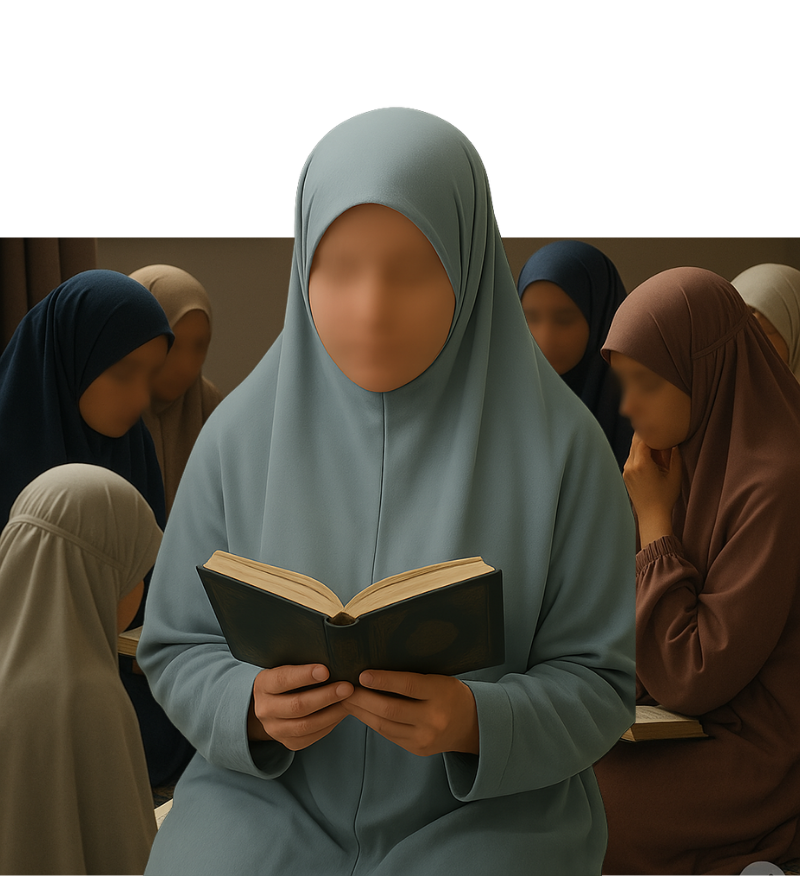
This initiative is designed for adult women—especially housemakers, mothers, and elder sisters—providing structured Islamic education rooted in faith and daily practice. It operates through three dedicated Maqtabs: Faidul Banath, Faidul Nisa, and Ezazul Quran, each enrolling 20 students. The curriculum includes Quranic recitation with Tajweed, essential Deeniyat, and practical application of Islamic values. Sessions are conducted in person by a qualified Alema, ensuring consistent engagement and respectful learning.
The program serves localities in and around Hegde Nagar, with centers located near Shabri Nagar and Sridhi Sahi (Masjid e Zohrah), and near Masjid e Usman—empowering women through accessible, faith-based education
Curriculum Details
The program features Al-Faid’s most comprehensive curriculum, including Naaziraye Quran with Tajweed, practical Salah training, Masnoon Duas and Ahadees with understanding, weekly Tafseer classes, and monthly assessments. Spanning four semesters over two years, it offers a structured, progressive blend of memorization, conceptual clarity, and spiritual development.
Key Highlights
The program runs small, personalized batches—Faidul Banath, Faidul Nisa, and Eazzul Quran—each led by a certified Aleema. With both in-person and online options, it ensures flexibility and engagement. The focused structure supports meaningful learning through dedicated attention in a respectful, faith-based environment.
Salient Features
The program promotes Islamic culture, enhances human potential, reduces family disputes, fosters social harmony, and encourages ethical behavior. It focuses not only on religious learning but also on character development, aiming to create balanced individuals who contribute positively to family and community life.
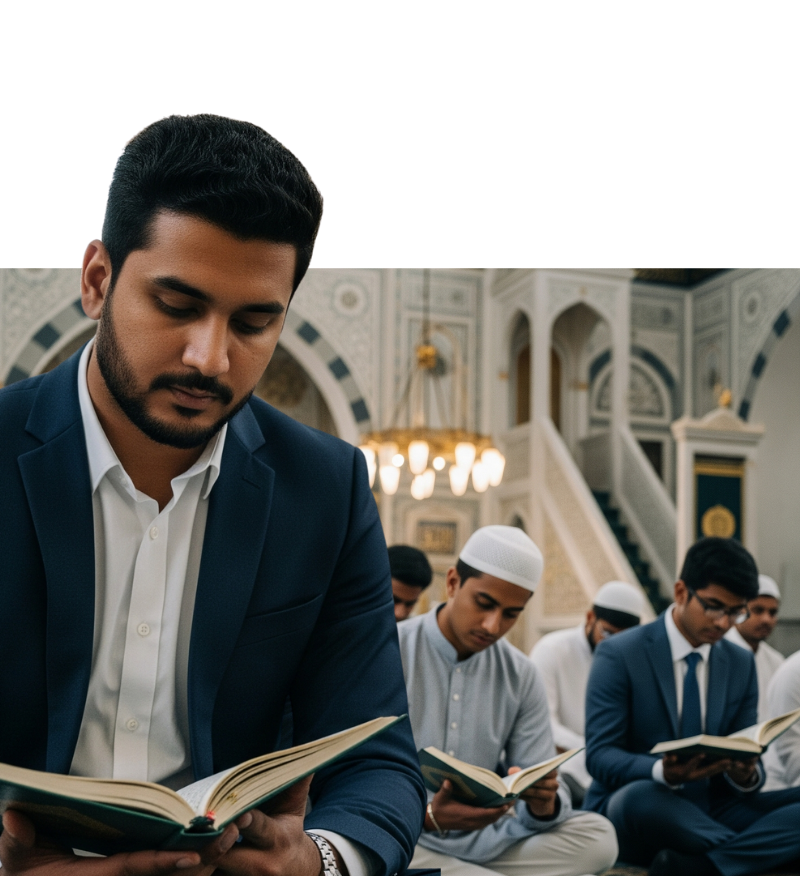
This initiative is designed to offer structured Islamic education for working professionals—both men and women—residing in urban communities. It aims to strengthen spiritual awareness and foster ethical conduct, enabling participants to incorporate Islamic principles into their personal and professional lives.
Through a thoughtfully curated curriculum, the program addresses the unique challenges of balancing faith with modern responsibilities, offering practical guidance rooted in Quran and Sunnah.
Sessions are delivered in a respectful and focused environment, supporting professionals in deepening their connection with Deen while maintaining their career and family obligations. The initiative promotes holistic growth grounded in Islamic values and purpose.
Curriculum Details
The curriculum offers a balanced blend of Quran recitation with Tajweed, practical Salah training, and Masnoon Duas and Ahadees with understanding and memorization. It emphasizes ritual excellence, spiritual growth, and ethical learning—tailored to support working individuals in applying Islamic principles in daily life.
Key Highlights
The program runs personalized small-group sessions under a certified Aleema, with batches like Faidul Banath, Faidul Nisa, and Eazzul Quran. Offering both in-person and online modes, it ensures accessible, focused learning tailored to the needs of working individuals seeking structured Islamic education.
Salient Features
The program fosters Islamic culture, enhances individual potential, reduces family disputes, promotes social harmony, and encourages ethical behavior. These outcomes reflect a broader vision of uplifting society through Islamic values, moral development, and peaceful coexistence rooted in faith and community responsibility.

At Al-Faid, every effort—big or small—helps nurture faith, knowledge, and community well-being. Join us in shaping a brighter future for children and families by supporting initiatives rooted in Islamic values, education, and compassion. Together, we build lasting change.
 All our efforts continue by the grace of Allah ﷻ and the sincere involvement of those who believe in the cause.
 Supporting Al-Faid is not just a contribution—it’s a step towards earning the pleasure of Allah ﷻ and walking the path to Jannah, In shaa Allah.
 Your support is handled with utmost care and trust—secure in process, sincere in purpose, and safeguarded as a step towards reward from Allah ﷻ.


Spread the word on social media and join the movement to raise awareness about the importance of girls completing their education.


Spread the word on social media and join the movement to end the shame around periods. #LetsTalkAboutPeriods