Al-Faid’s education framework blends secular excellence with ethical grounding—offering Madrasa students and school dropouts a second chance through STEP, and underserved youth academic upliftment through TRIFAI. Both pathways ensure SSLC/NIOS completion alongside life skills, fostering dignity, purpose, and opportunity.
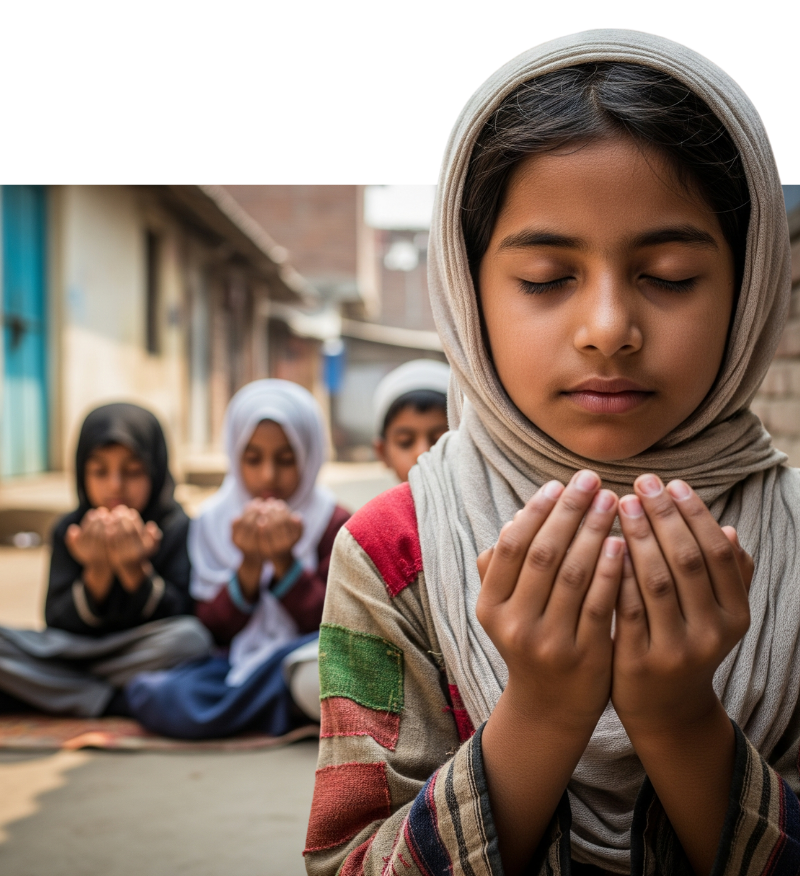

The School Transformation Educational Program (STEP) by Al Faid is a visionary initiative aligned with the United Nations Sustainable Development Goals, particularly SDG 4 (Quality Education) and SDG 10 (Reduced Inequalities). It aims to drive foundational educational reform and make quality learning accessible to all—especially underserved segments of society.
STEP empowers Ulema, Huffaz, and Madrasa students to obtain their Secondary School Leaving Certificate (SSLC), broadening their academic and professional horizons. In partnership with Madrasa Nadratul Abrar, Al Faid launched a comprehensive academic program tailored for students pursuing Hifz and Alimat courses. Through the Karnataka State Syllabus and the flexible framework of the National Institute of Open Schooling (NIOS), students are able to complete their 10th Standard education alongside their religious studies.
Launched in August 2019 with an initial cohort of 15 students, this integrated educational model bridges the divide between traditional Islamic learning and formal academic pathways—empowering youth to pursue higher education, vocational careers, and meaningful roles in community leadership.

The syllabus blends religious learning with practical daily application, covering Naaziraye Quran with Tajweed, Masnoon Duas, and practical Salah sessions. It emphasizes cleanliness, daily Sunnah practice, and monthly lectures on Islamic values such as Eemaniyat (faith), Akhlaqiyat (ethics), and Mu’amalat (social dealings).

Separate batches for children, brothers, and sisters—each led by qualified Aleems—ensure an appropriate learning environment. Regular attendance and consistent classes across Maqtabs build discipline, focused education, and sustained engagement.

The programme promotes Islamic culture, enhances human potential, reduces family disputes, fosters social harmony, and encourages ethical behaviour—delivering not just knowledge but meaningful character development and community transformation.
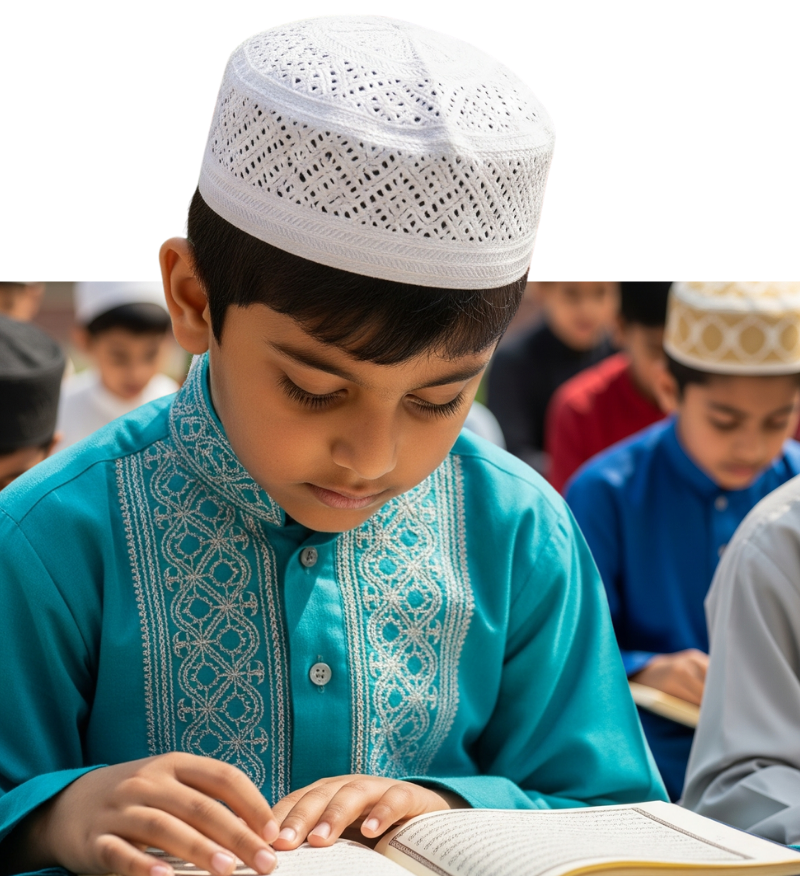
In line with the United Nations Sustainable Development Goals, particularly SDG 4 (Quality Education) and SDG 5 (Gender Equality), Al-Faid launched the TRIFAI initiative in collaboration with Trillium Public School to ensure equitable access to secondary education for underserved communities.
Beginning in 2019, the program offered free SSLC coaching to over 30 students, achieving a 90% pass rate. In subsequent years, TRIFAI was conducted annually across various institutions—supporting 40 students at Golabi Public School in Hegde Nagar (80% pass rate), 60 students at Mannath Public School in Noor Nagar (90%), and 60 students at Masjid-e-Rehmania, who recorded an exceptional 92% pass rate.
To uphold the principle of inclusive learning, dedicated spaces were provided for girl students each year. TRIFAI reflects Al-Faid’s commitment to reducing educational disparities (SDG 10) and empowering youth through structured, results-driven academic support.
The syllabus blends religious learning with practical daily application, covering Naaziraye Quran with Tajweed, Masnoon Duas, and practical Salah sessions. It emphasizes cleanliness, daily Sunnah practice, and monthly lectures on Islamic values such as Eemaniyat (faith), Akhlaqiyat (ethics), and Mu’amalat (social dealings).
Separate batches for children, brothers, and sisters—each led by qualified Aleems—ensure an appropriate learning environment. Regular attendance and consistent classes across Maqtabs build discipline, focused education, and sustained engagement.
The programme promotes Islamic culture, enhances human potential, reduces family disputes, fosters social harmony, and encourages ethical behaviour—delivering not just knowledge but meaningful character development and community transformation.

At Al-Faid, every effort—big or small—helps nurture faith, knowledge, and community well-being. Join us in shaping a brighter future for children and families by supporting initiatives rooted in Islamic values, education, and compassion. Together, we build lasting change.
 All our efforts continue by the grace of Allah ﷻ and the sincere involvement of those who believe in the cause.
 Supporting Al-Faid is not just a contribution—it’s a step towards earning the pleasure of Allah ﷻ and walking the path to Jannah, In shaa Allah.
 Your support is handled with utmost care and trust—secure in process, sincere in purpose, and safeguarded as a step towards reward from Allah ﷻ.


Spread the word on social media and join the movement to raise awareness about the importance of girls completing their education.


Spread the word on social media and join the movement to end the shame around periods. #LetsTalkAboutPeriods